The Classical Map of Women’s Health
Human life runs in certain cycles. 7 years for women and 8 years for men. Learn more about the classical aspects of aging and life stage management for women here.
Read more →Category
Human life runs in certain cycles. 7 years for women and 8 years for men. Learn more about the classical aspects of aging and life stage management for women here.
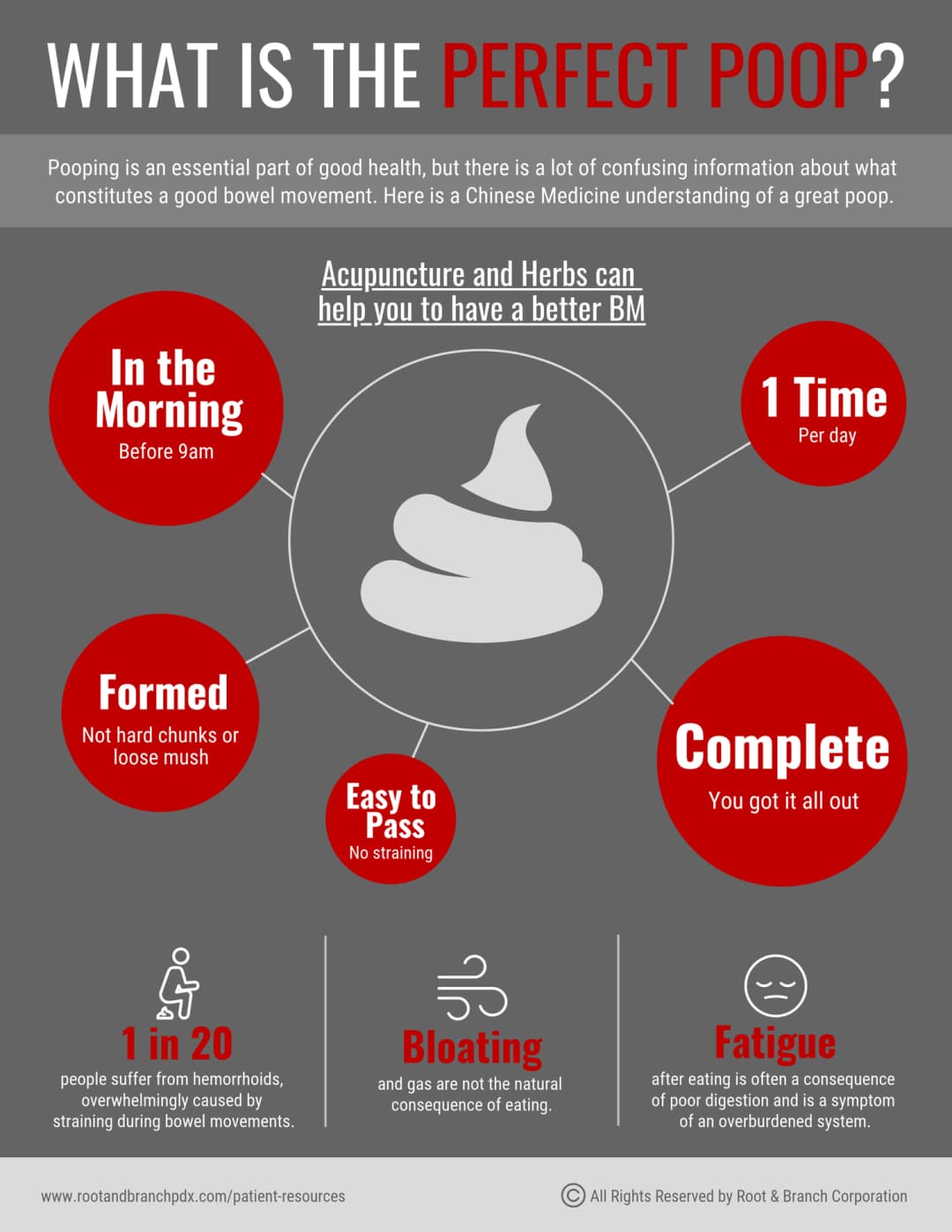
Read more →Bowel movements are one of the most reliable diagnostic signals the body produces, and most adults have never been told what to look for. Chinese medicine has been paying close attention to stool for two thousand years. Here is the physiology of a good one, and what it means when things are off.
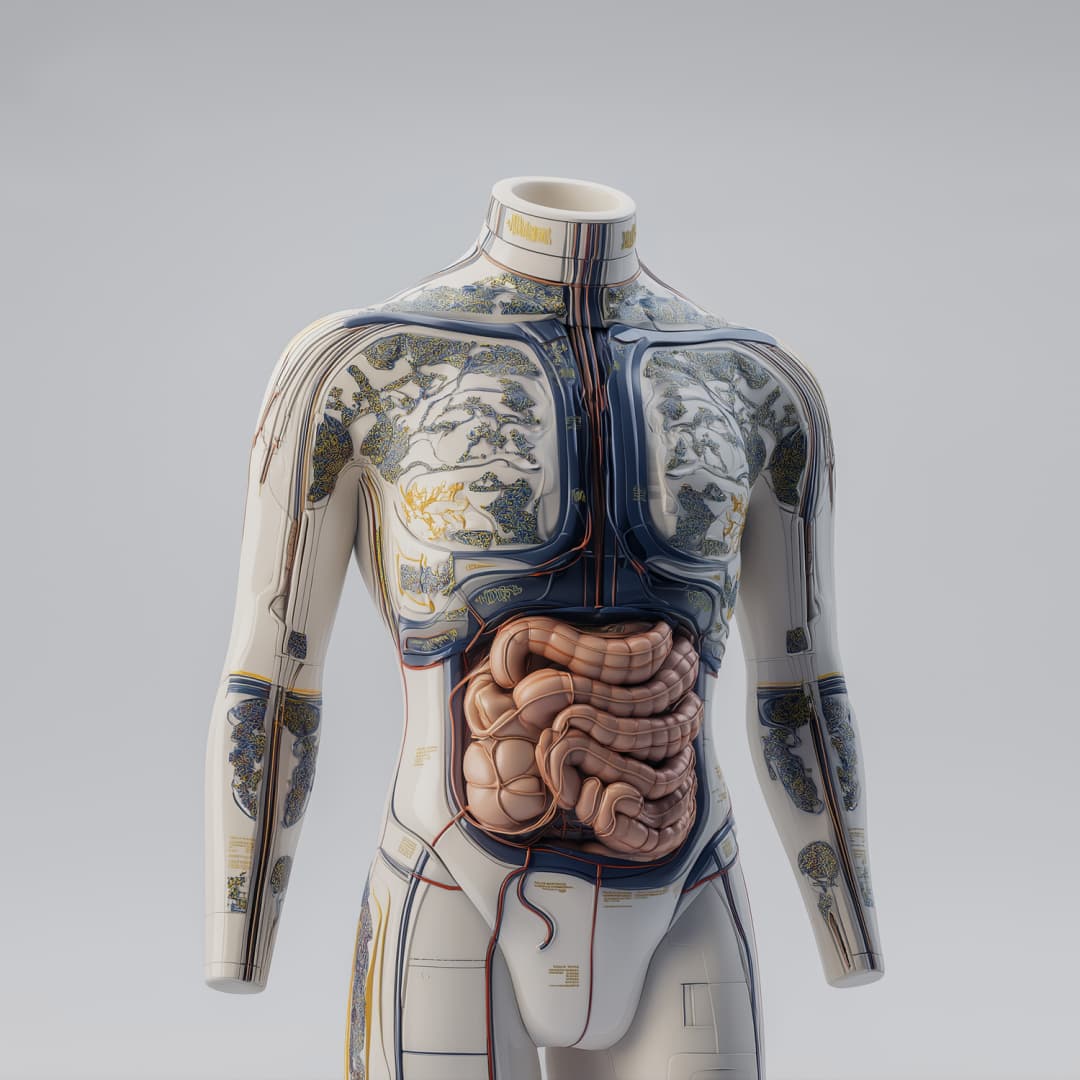
Read more →Digestion is the root of virtually all other human physiologic processes. Learn about how Chinese medicine thinks about and works with the natural strength of your digestion to maximize outcomes and power a healthy life.
Read more →A diagnosis of deficiency in Chinese medicine is not as dramatic as it sounds. Metabolic resources are assigned in bodies to meet daily demands and sometimes those resources are insufficient. This piece explains what deficiency means clinically, how it develops, and how treatment rebuilds capacity over time.
Read more →In Chinese medicine, jīng 精 is your essence—your inherited strength, your reserves, and your potential. This post explores how jīng shapes health across a lifetime, its connection to modern ideas like genetics and epigenetics, and how everyday choices can help preserve and cultivate this vital foundation.
Read more →In Chinese medicine, wèi qì 衛氣 is your body’s protective barrier—the aspect of qì that guards against external disruption. This post explores how wèi qì functions, where it comes from in classical texts, and how it connects to—but differs from—modern ideas of immunity and resilience.
Read more →Dampness in Chinese medicine isn’t just a symptom—it’s a pattern with personality. It slows, sticks, and sometimes overstays its welcome. But it’s also essential to life. In this post, we explore what dampness really is, where it comes from, and how to live in better relationship with it.
Read more →In Chinese medicine, heat is both essential and potentially disruptive. It fuels life processes like digestion and circulation, but when excessive or misplaced, it can lead to inflammation, agitation, or dryness. This post explores how heat functions in the body, where it comes from, and how to bring it back into balance.
Read more →In Chinese medicine, we don’t treat diseases by name—we treat patterns. This post explores the meaning of bìng jīng 病經 (the channel of disease) and bìng yīn 病因 (its root cause), offering insight into how practitioners understand illness as a dynamic process, not a fixed label.
Read more →