Qi Node 21: Greater Snow Dàxuě 大雪
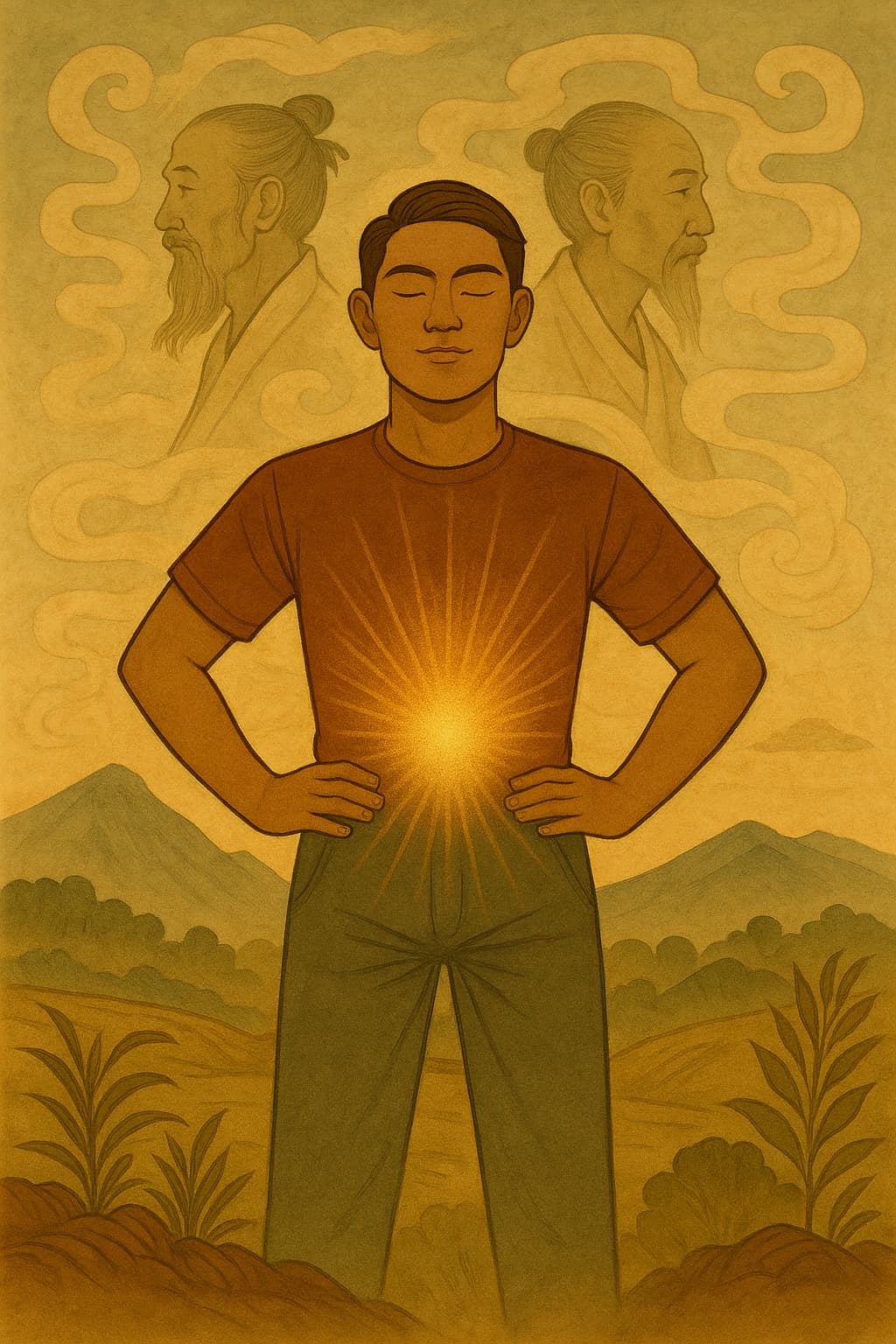
Qi Node 21 Greater Snow is a time of visions and magic. Our inner yang sees strange images in the Greater Yin dominating the environment.
Read more →Author
Qi Node 21 Greater Snow is a time of visions and magic. Our inner yang sees strange images in the Greater Yin dominating the environment.
Read more →In Chinese medicine, jīng 精 is your essence—your inherited strength, your reserves, and your potential. This post explores how jīng shapes health across a lifetime, its connection to modern ideas like genetics and epigenetics, and how everyday choices can help preserve and cultivate this vital foundation.
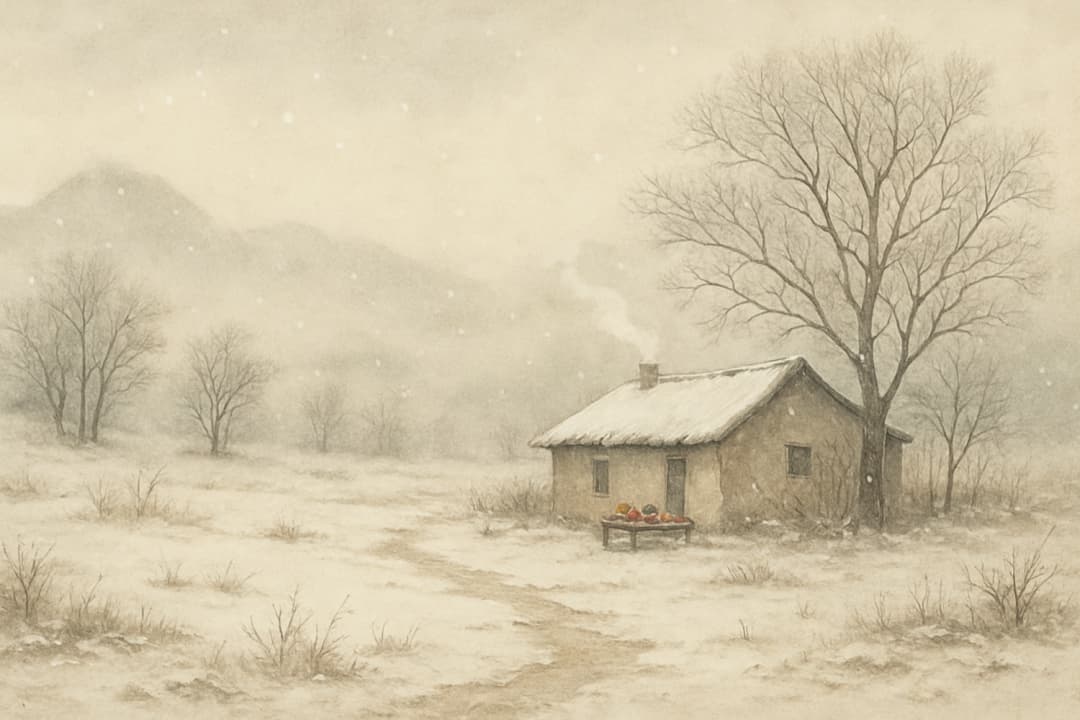
Read more →Xiǎoxuě 小雪, “Lesser Snow,” marks Winter’s quiet commitment. Snow may not yet fall, but the cold has settled. Stillness becomes structure. This is the time to refine, not to begin—nourish deeply, seal the body from wind, and allow the descent. Let what remains grow deeper, smaller, and more essential.
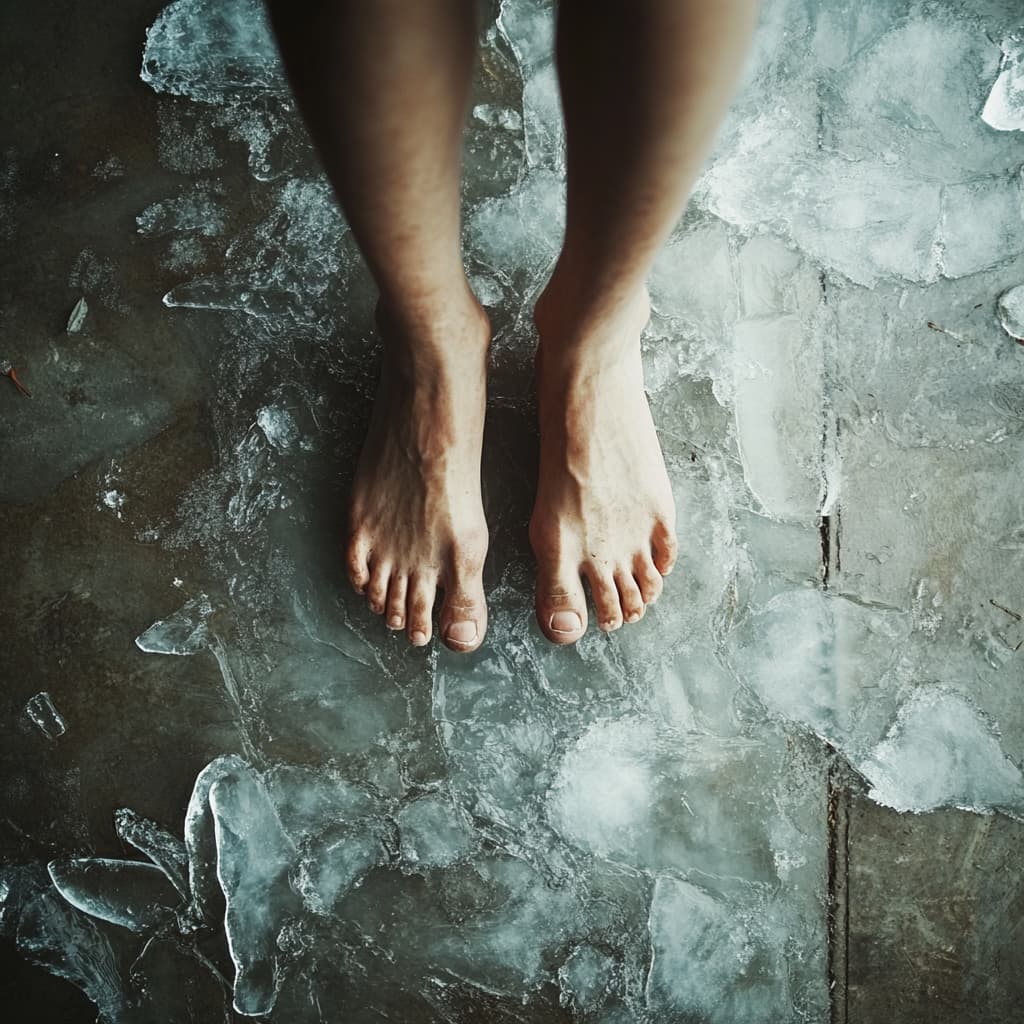
Read more →In Chinese medicine, cold can quietly weaken the body over time—especially when it enters through the feet. This post explores why walking barefoot on cold floors might leave you feeling more drained than refreshed, and how small changes in daily habits can help support warmth, circulation, and overall balance.
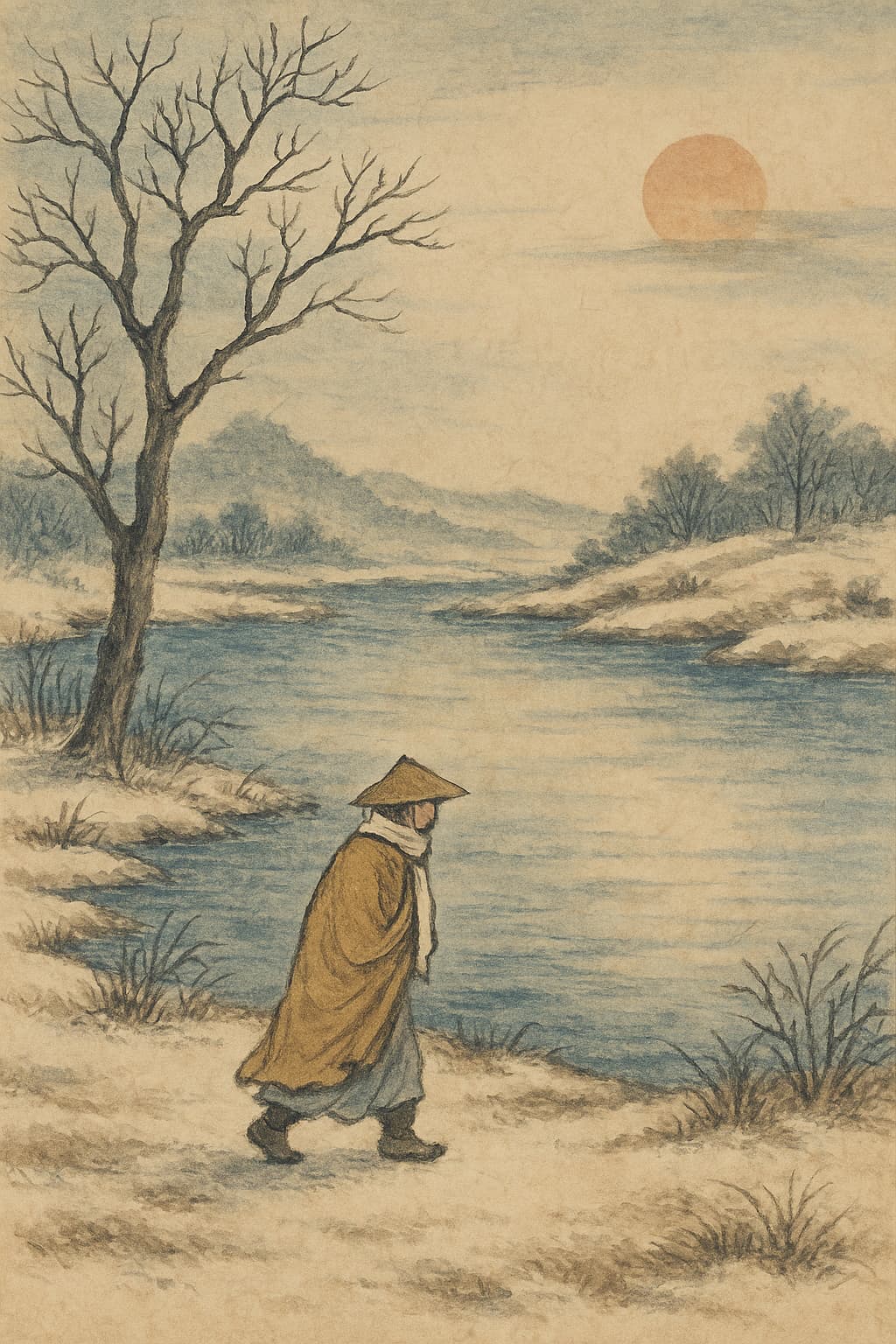
Read more →Lìdōng 立冬 marks the moment when Winter stands upright—cold, still, and clear. The descent is no longer gradual. Big Yin is here. Let your body turn inward. Wrap up early. Sleep deeply. Cook slowly. What looks like quiet from the outside is becoming depth from within. The season asks for presence, not performance.
Read more →For years, Meena R. lived around her period—severe cramps, heavy bleeding, and exhaustion that took over every month. At Root and Branch, custom herbal formulas and targeted acupuncture helped her cycle shift, gently and powerfully. This is the story of how she stopped bracing for pain—and started feeling in control.
Read more →In Chinese medicine, wèi qì 衛氣 is your body’s protective barrier—the aspect of qì that guards against external disruption. This post explores how wèi qì functions, where it comes from in classical texts, and how it connects to—but differs from—modern ideas of immunity and resilience.
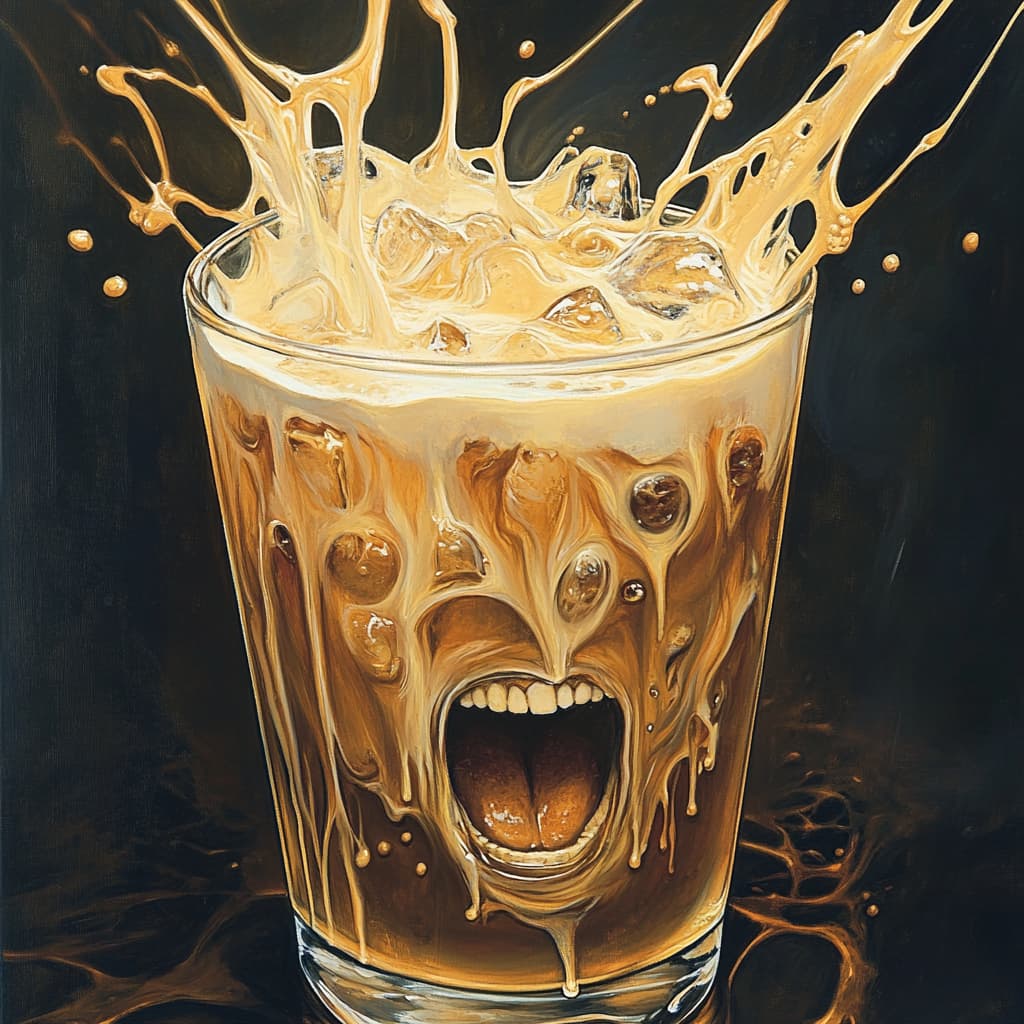
Read more →In Chinese medicine, digestion depends on warmth. Cold drinks—especially when habitual—can slow and weaken that process. This post explores why iced beverages may undermine digestive health, when they might be appropriate, and how small shifts toward warmth can support energy, comfort, and long-term balance without giving up enjoyment entirely.
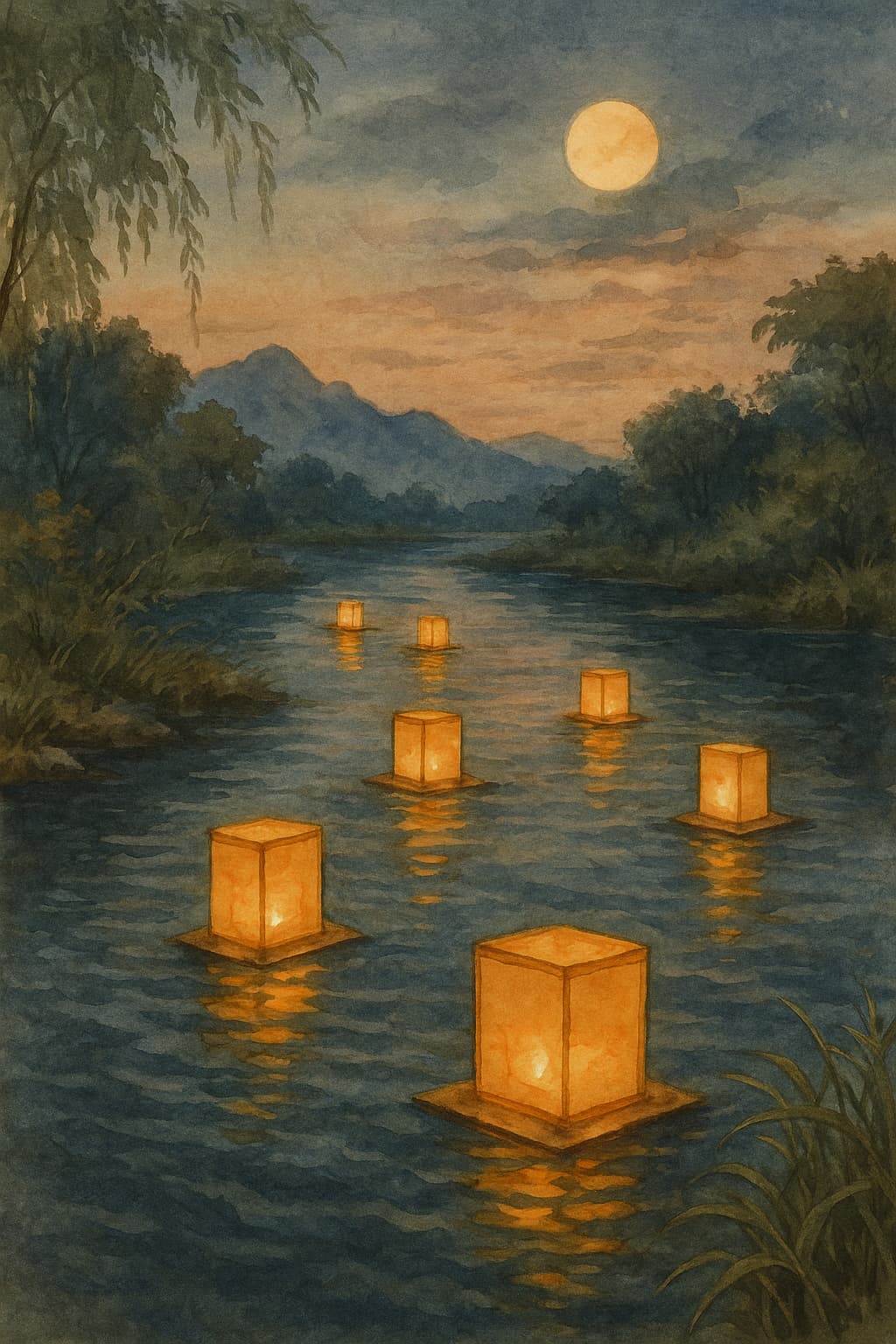
Read more →The Hungry Ghost Festival honors spirits left wandering, unsatisfied and unseen. Rooted in Buddhist and Daoist tradition, it is a season for compassion, ritual, and remembrance. Offer food. Burn paper. Float lanterns. Feed the forgotten—not just the dead, but the unmet longings we carry. Memory, here, becomes nourishment.
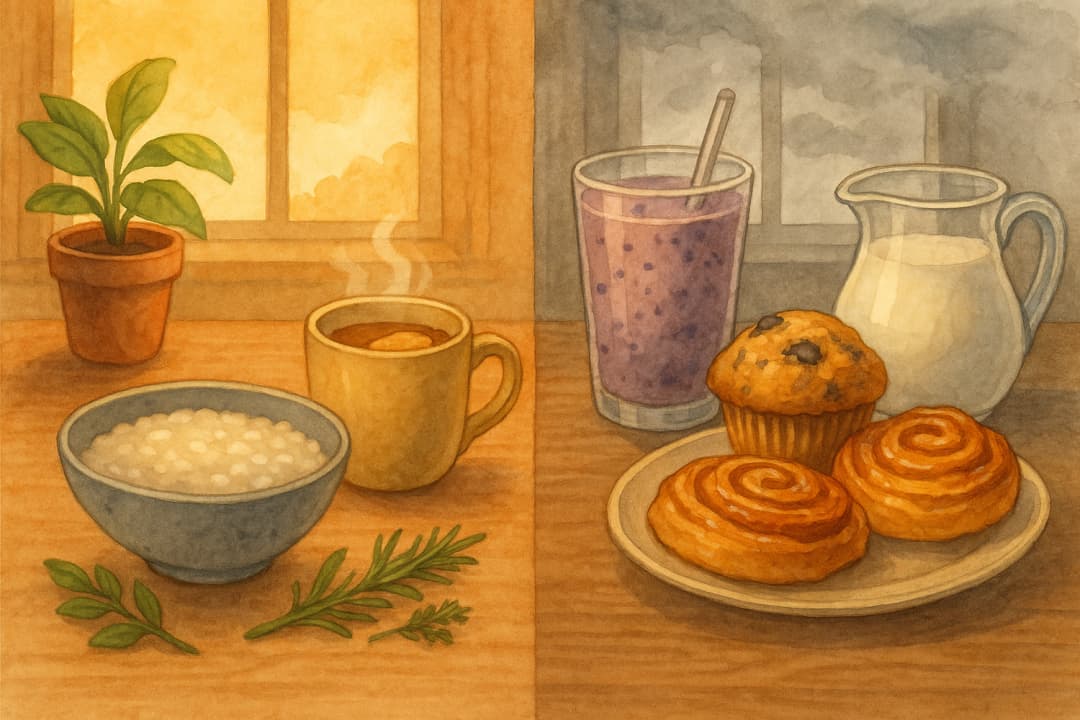
Read more →Dampness in Chinese medicine isn’t just a symptom—it’s a pattern with personality. It slows, sticks, and sometimes overstays its welcome. But it’s also essential to life. In this post, we explore what dampness really is, where it comes from, and how to live in better relationship with it.
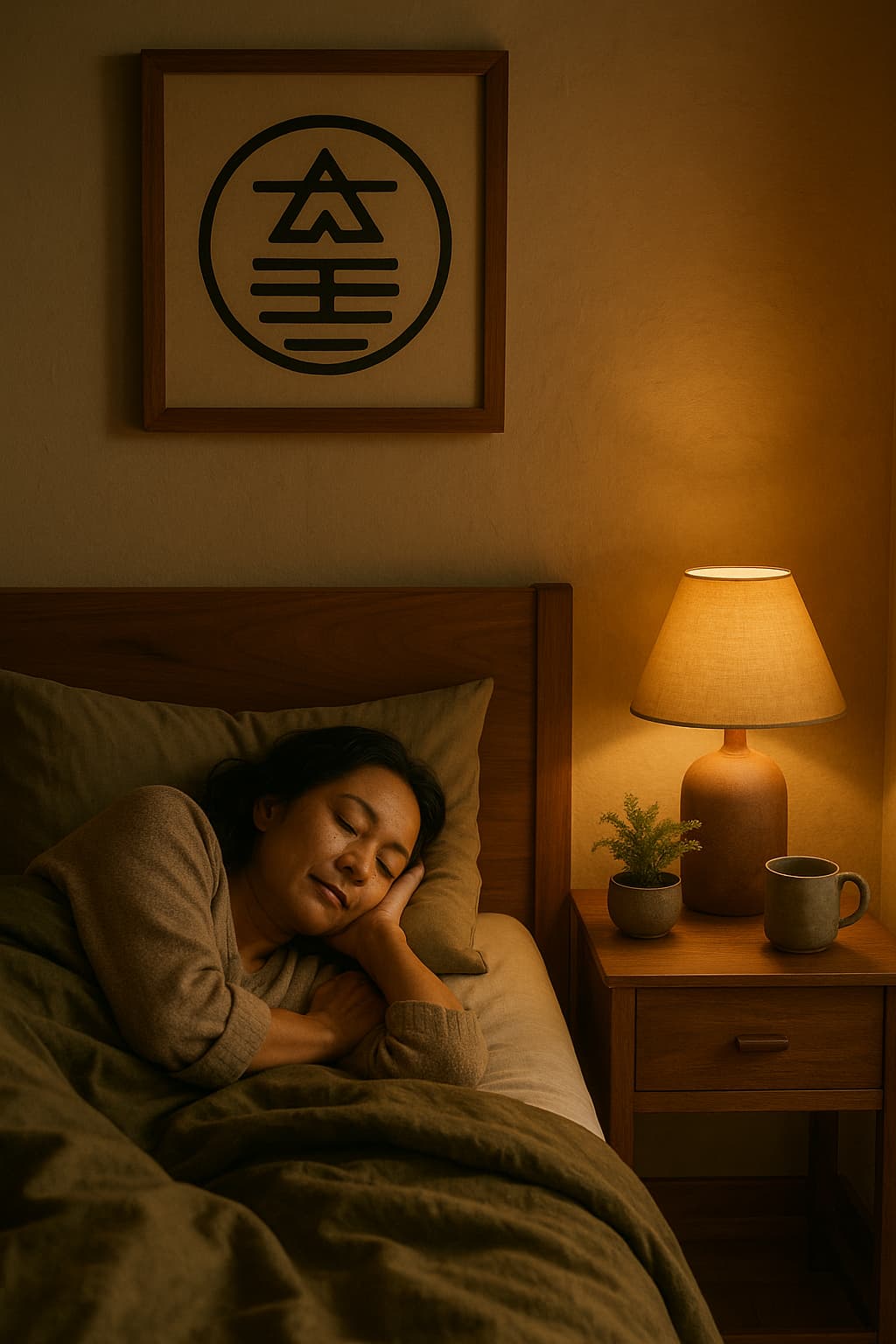
Read more →In Chinese medicine, sleep isn’t just rest — it’s restoration. This post explores how bedtime can serve as a boundary, not just a stop button, and offers simple, nourishing practices to support the body’s natural descent into yīn 陰 . Better sleep starts with honoring the transition into night.
Read more →Jamal came in with years of sinus congestion and facial pressure. Mornings were foggy, breathing was difficult, and nothing seemed to help long term. With acupuncture and herbs, we helped him clear the deeper root — restoring flow, easing pressure, and helping him finally breathe (and think) clearly again.
Read more →